CTV News Local Video Discovery overview

Case Study · Bell Media / CTV News

Local Video Discovery

Redesigning the Local tab experience to surface newscasts and video content that was buried, cutting task time by 68% and pushing usability scores from failing to near-perfect.

Timeline Jul 2024 – Jan 2025
Platform iOS & Android App
Role Product Designer
Methods SUS Benchmarking, Competitive Analysis

Content buried, structure broken

The CTV News app's Local tab was the primary destination for users in their city. Local top stories, local newscasts, and local video content all lived there. But the tab was fragmented, split across multiple sections that required users to switch views to find what they were looking for.

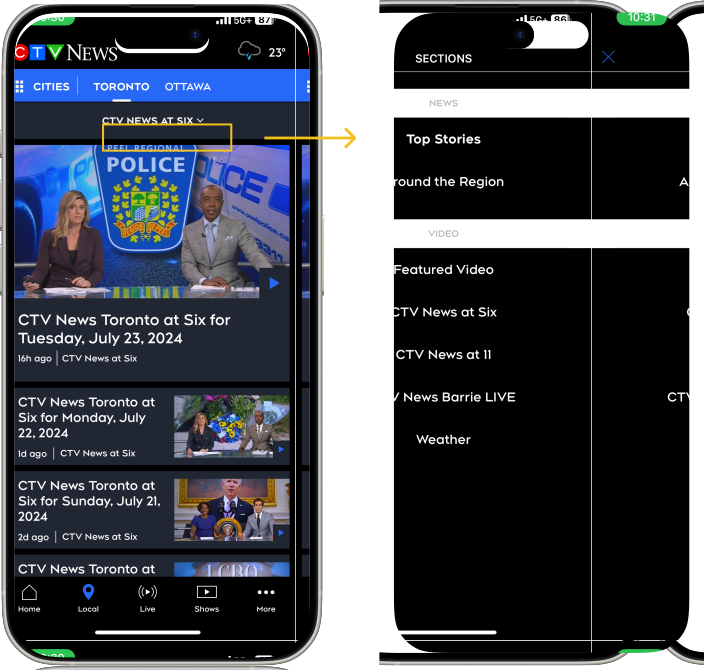
Local newscasts, one of the most-watched content types on the platform, were hidden behind a section the majority of users never discovered on their own.

Before state: local newscasts hidden behind section switching

Before: local newscasts and featured video were hidden behind section switching in the Local tab

Baseline usability study

  • Time-on-task averaged 57 seconds
  • Task completion rate: 60%
  • SUS score: 59.5, landing in the "poor" band
  • The content wasn't broken. The structure around it was.

How competitors surface video

Before exploring solutions, I looked at how other news and video apps handled surfacing time-sensitive, location-relevant video content without making users hunt for it.

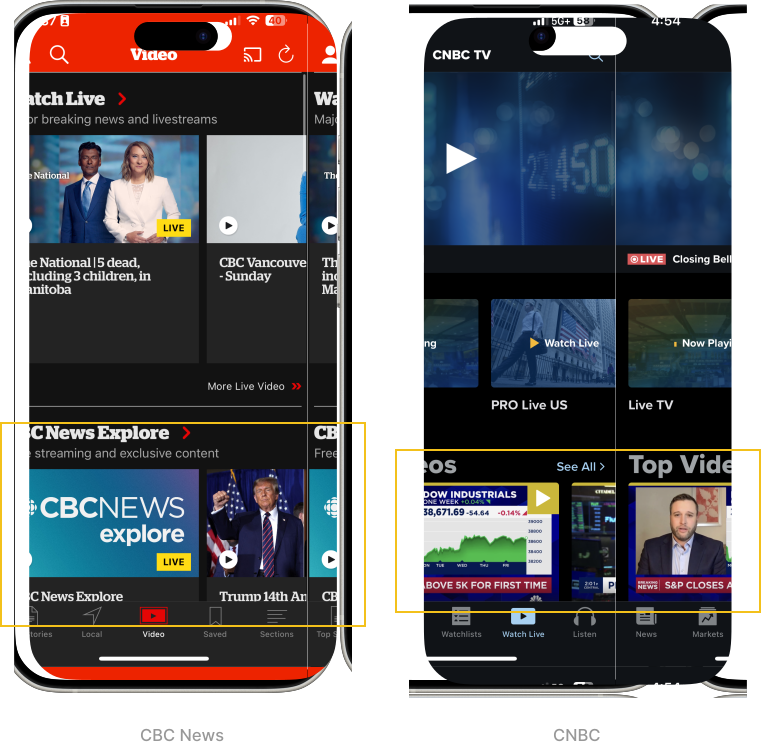
Competitive landscape: CBC News and CNBC video surfacing patterns

CBC News

  • Single scrollable feed mixing articles and video
  • Local content surfaced inline, no tab switching
  • Video and stories share the same vertical path

CNBC

  • Persistent video rail pinned at top of feed
  • Live and recent video always above the fold
  • Horizontal scroll keeps feed flow intact

Exploring a unified feed

I wireframed several structural models before landing on a feed architecture with three named sections stacked vertically. The goal was to collapse section-switching into a single scrollable path.

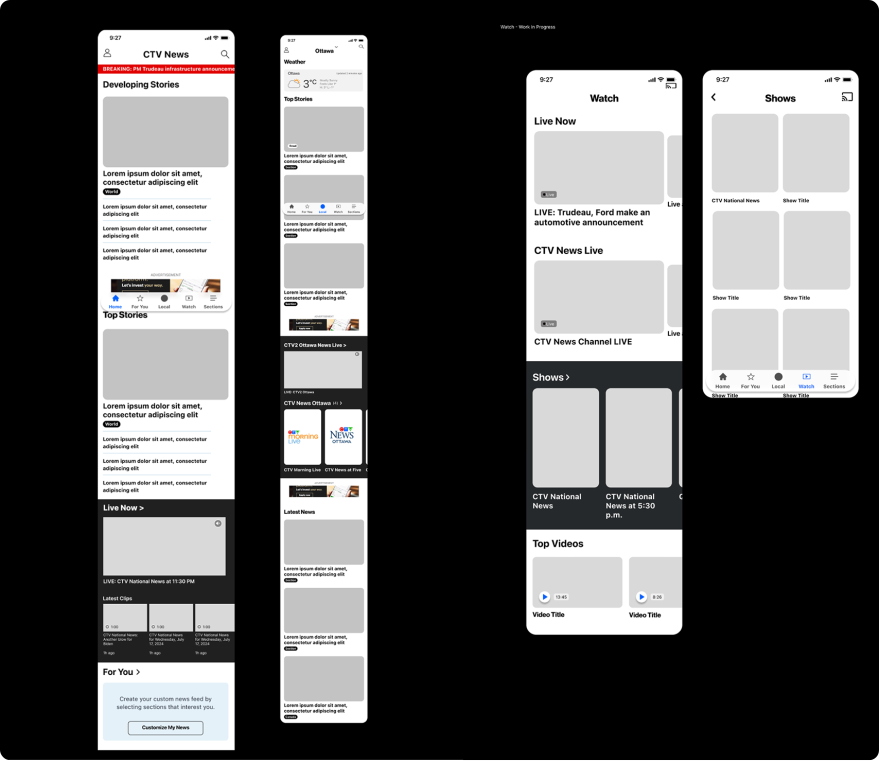
Early wireframes exploring the Local tab structure across tabs

Early wireframes exploring the Local tab structure and scalable content patterns across tabs

1

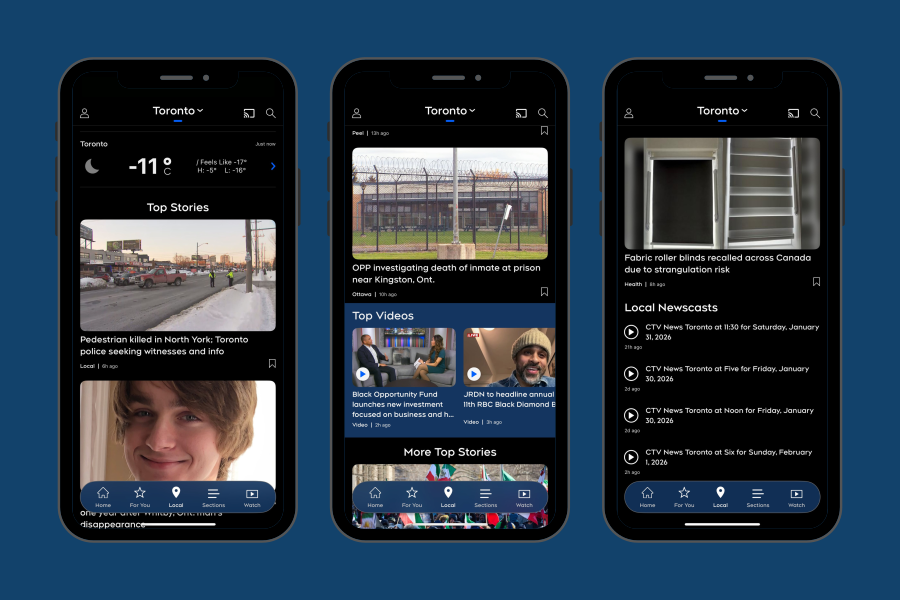
Top Stories

Leading article cards from the user's local market. Familiar entry point, matching the existing mental model.

2

Top Videos

A horizontal video rail with the most-watched and most-recent clips from that market. Visually distinct from article cards.

3

Local Newscasts

Full newscasts from that city's CTV station: noon, evening, and late news. Always visible, no switching required.

Before and after

Based on internal testing and feedback, the Local tab moved from a section-switched experience to a unified, scannable feed. Here's the before and after:

Before: local newscasts and featured video hidden behind section switching

Before: local newscasts and featured video required navigating into a hidden sections drawer

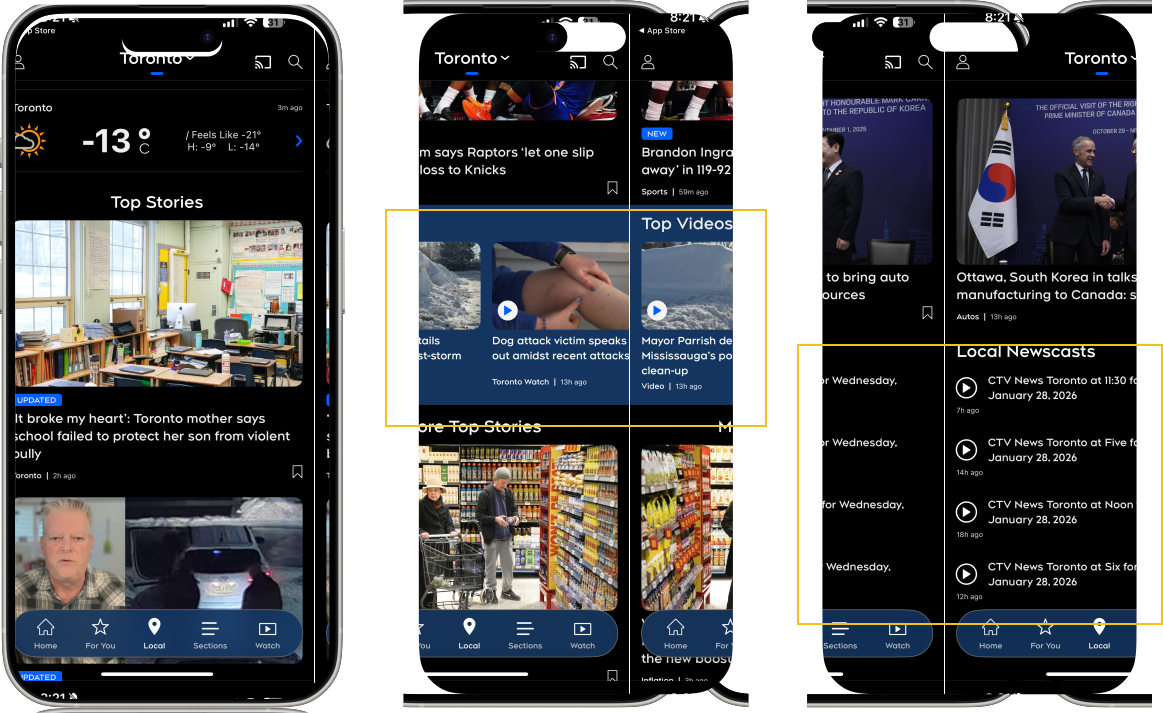
After: Local tab organized into one scrollable feed

After: Local tab organized into one scrollable feed. Top Stories, Top Videos, and Local Newscasts always visible.

Results across every metric

After launch, we re-ran the SUS benchmarking study with the same task set. The results across every measure shifted significantly.

Usability benchmark summary before and after the redesign

Usability benchmark summary, before and after the redesign

92.5
↑ from 59.5
SUS Score
(Poor → Excellent)
18s
↓ from 57s
Avg Task Time
to Find Newscast
0
↓ from 1.8
Avg Errors
Per Task
100%
↑ from 60%
Task Completion
Rate

The core finding: the content wasn't broken; the structure around it was. Surfacing what users wanted in the natural path of the feed was the fix. No new features, no added complexity. Just clearer hierarchy.

Reflections

This project reinforced how much structure drives outcomes in a news app. When local programming is buried, people don't miss it because they aren't capable. They miss it because the interface doesn't make it visible at the moment they're scanning for it.

The module patterns we established, including Top Videos and the city-switching model, are now reusable across other Bell Media experiences. That consistency reduces future design and engineering effort and helps teams ship updates faster without re-teaching users how to navigate.

Next Project

CTV News: Web Navigation

Card Sorting · Information Architecture · Navigation Restructure